Rondale Moore’s Suicide Sheds Light on NFL Mental Health
” Mental Health In The Nfl Deserves A Closer Look As We Look Towards The 2026 Season “
The recent death of former NFL wide receiver Rondale Moore at just 25-years-old has reopened a conversation that football culture has historically struggled to sustain. Moore’s passing, believed to be the result of a self-inflicted gunshot wound, stunned teammates and fans alike. Conversations quickly turned to injuries, rehabilitation, and the emotional toll that accompanies a career defined by physical punishment and public scrutiny.
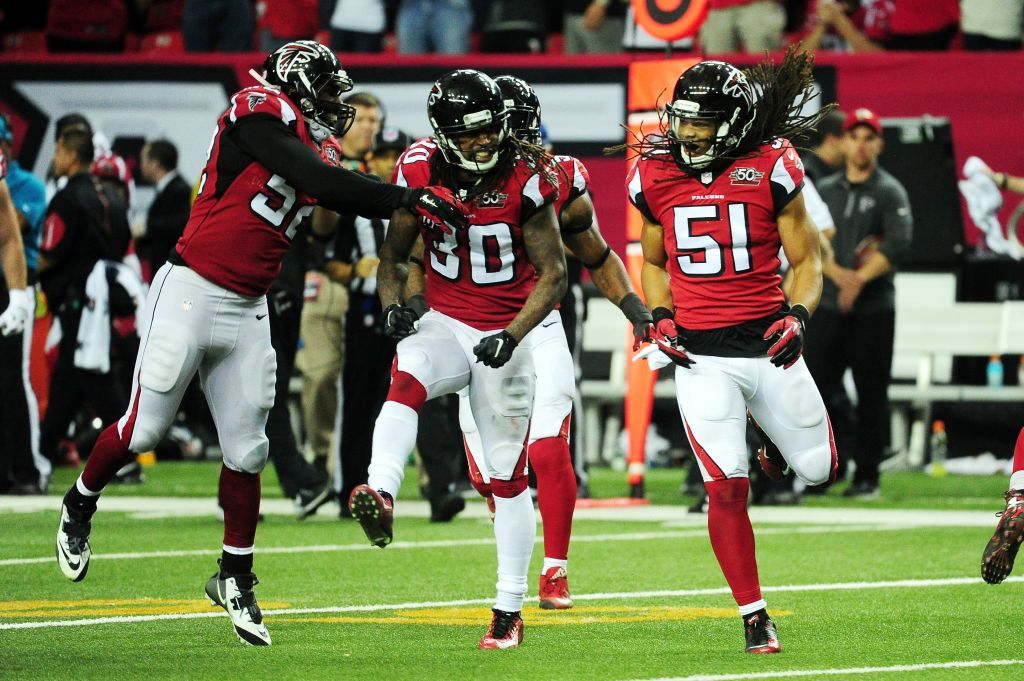
Moore had spent two seasons sidelined by knee injuries, a circumstance that can breed isolation from the life they once knew. According to reporting surrounding his death, players navigating long injury recoveries often describe the process as mentally exhausting and profoundly lonely.
But this conversation cannot end with Rondale Moore, because this is bigger than a single incident.
When Tragedy Stops Feeling Isolated
In recent years, multiple young football players connected to the sport’s pipeline have died by suicide or suspected suicide.
LSU wide receiver Kyren Lacy was 24. Dallas Cowboys defensive lineman Marshawn Kneeland was also 24. Years earlier, University of Utah running back Ty Jordan died at just 21.
Each story carries different circumstances, but together they raise a difficult question.
How many tragedies must occur before we acknowledge that the culture surrounding football may be enabling pressures that young men are not always equipped to carry?
From high school stadiums to Division I programs to the NFL, football operates as a relentless ladder of competition. At every stage, the stakes escalate, and the pressure becomes ubiquitous.