Why motorcycle crashes are different from regular car accidents
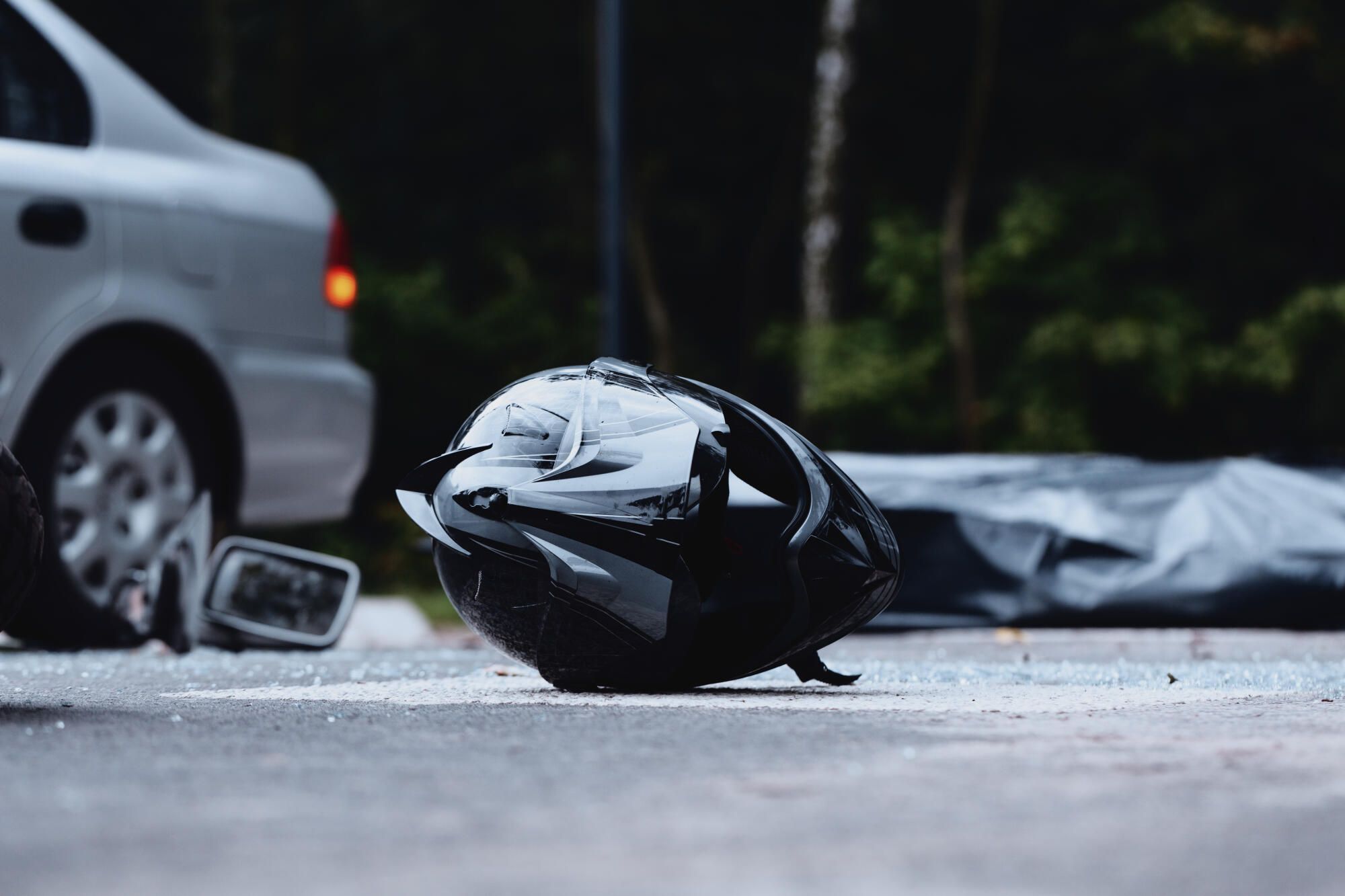
Motorcycle crashes come with much higher injury and fatality risk than typical vehicles, as riders don’t have a protective covering. That lack of protection can cause direct impact and ejection, causing one to be thrown or crushed. These cases can be very complex when determining fault, as insurance adjusters may be biased against motorcyclists, assuming they’re being reckless and the cause of the accident.
The Insurance Institute for Highway Safety (IIHS) reported that helmets are 67% effective in preventing brain injuries, but only 17 states mandate their use. Wearing protective equipment can reduce your risk of traumatic injury or fatalities, as well as help avoid automatic fault.
Why Do Motorcycle Crashes Often Have the Worst Accident Injuries?
Motorcycle crash injuries can be more devastating because riders don’t have the seatbelts or protective steel frames that a traditional car or truck would provide. There are no airbags or anything to cushion them inside a cabin.
The drawback of riding in open air means being hit by direct force during a collision. Another vehicle may hit their body directly, making them more prone to spinal damage or brain injuries. This is compounded by the likelihood of being ejected from their bike and having another impact when hitting the pavement.
What Makes Liability in a Motorcycle Wreck So Complex?
The trauma of a motorcycle crash doesn’t end in the hospital room. An injured rider may also face bias from insurers assuming they’re at fault.
These adjusters often unfairly view a motorcycle rider as speeding or reckless. Proving who was truly at fault often involves more accident reconstruction experts, who can compare conflicting accounts and gather data to see what really happened.
Fault may also be due to poor road upkeep from the municipality. A catastrophic loss of control of a motorcycle may occur from poor road maintenance such as potholes or loose gravel that won’t affect a four-wheeler in the same way.
How Can Riders Protect Themselves?
Prevent a motorcycle accident or fatal outcome if it happens by riding with protective gear. That means only wearing Department of Transportation-approved helmets and protective coverings, such as heavy jackets and riding gloves.
Good sturdy gloves can keep a steady grip on your handlebars. Wear over-the-ankle boots to protect your feet and lower legs from fractures after a fall.
Stay visible and keep enough space that allows a 3- to 4-second following distance behind other vehicles. Be extra cautious at intersections, and understand that turning cars may have a blind spot.
If you are in an accident, protect your rights by contacting Abel Law motorcycle attorneys. The team is experienced in motorcycle accident cases, so they can reconstruct accident data and handle insurance communications on your behalf.
Ride Like the Wind and Stay Safe
The sense of freedom that comes with riding a motorcycle is alluring, but don’t forget that motorcycle crashes can be deadlier than standard car accidents due to the lack of cabin protection.
Wear helmets and other protective gear while driving defensively so you avoid a devastating collision or ejection. Don’t forget a legal team can help you prove you’re not liable for a collision.
Learn more about road safety from other guides on our website.