Oral health habits that can protect your smile as you age
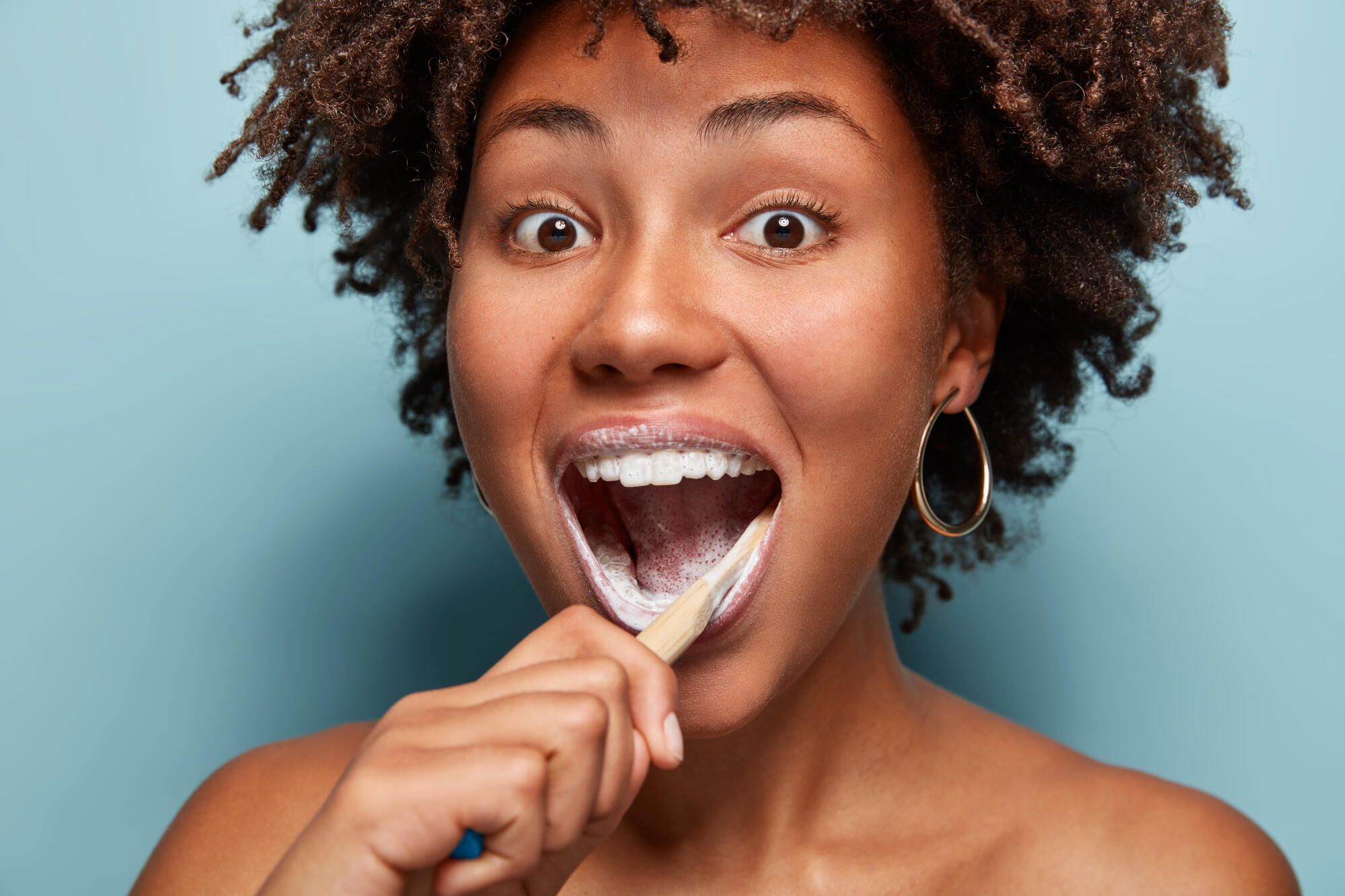
From brushing twice a day to limiting sugary snacks, there are several simple ways to protect and maintain good oral health. Start this early, as children should learn to clean their gums and dentists can add sealants to protect new teeth at their regular dental appointments. Overall, brushing, flossing, and diet all can help protect your natural teeth well into old age.
Nearly 3.7 billion people have some form of oral disease, according to the World Health Organization. Many of these oral problems involve tooth decay and tooth loss, which you can prevent with daily cleaning and better eating and drinking habits.
Why Is Oral Health Important?
Not taking care of your oral health can have other health effects, as it can cause harmful germs to grow and spread to other parts of the body.
Poor oral hygiene can cause bad breath and affect the beauty of your smile, which can put a dent in your confidence in socializing personally and at work. Failure to protect your teeth and gums can create chronic oral pain and extensive tooth decay that may be expensive to repair.
If a dentist can’t save a natural tooth, they may need to consider dental extractions. Instead of leaving that gap, it’s advised to fill it with a restoration to avoid bone loss and shifting teeth.
You need your teeth to properly chew your food, which is the first step to digestion and proper nutrition. Tooth alignment and gaps affect how you talk as your gums and teeth work together to help you pronounce words correctly.
How Can Age Affect Dental Health?
The enamel begins to thin after years of chewing and biting, and gums may recede. Saliva flow can decrease, causing dry mouth. Some medications can reduce saliva production.
What Are Good Oral Health Habits to Follow?
Taking care of your oral health involves simple steps such as brushing twice a day and dental flossing. Flossing is essential for removing food and plaque stuck between your teeth that your toothbrush won’t reach.
Diet matters, as too much sugar can feed bad bacteria in your mouth, leading to tooth decay. It’s advised that everyone should have a bi-annual visit to their primary dentist. When you have a child, those visits should begin the minute the first tooth sprouts or no later than their first birthday.
The Value of a Healthy Smile
A healthy smile can give you the confidence you need to express yourself socially and professionally. Many people often trust those who smile more, and the better your smile is, the more likely you are to practice it.
Smiling also affects how you feel, even when no one is around. It’s been linked to lowering cortisol and releasing endorphins.
Oral Health Begins with the Simplest Oral Hygiene
Teeth aren’t just for aesthetics; they serve a valuable function from chewing to speaking. Daily oral health only takes a few easy steps, starting with your toothbrush, floss, and regular dental appointments. Follow these steps to keep a healthy, functional smile well into old age.
Check our website for more health and community-based content.