Pastor Jamal Bryant Clarifies Target Fast Confusion
- Pastor Bryant's 'Target Fast' was part of a larger boycott, not the whole effort.
- Black women activists were central to sparking and driving the boycott movement.
- The boycott continues as Target has not met demands on diversity and community investment.
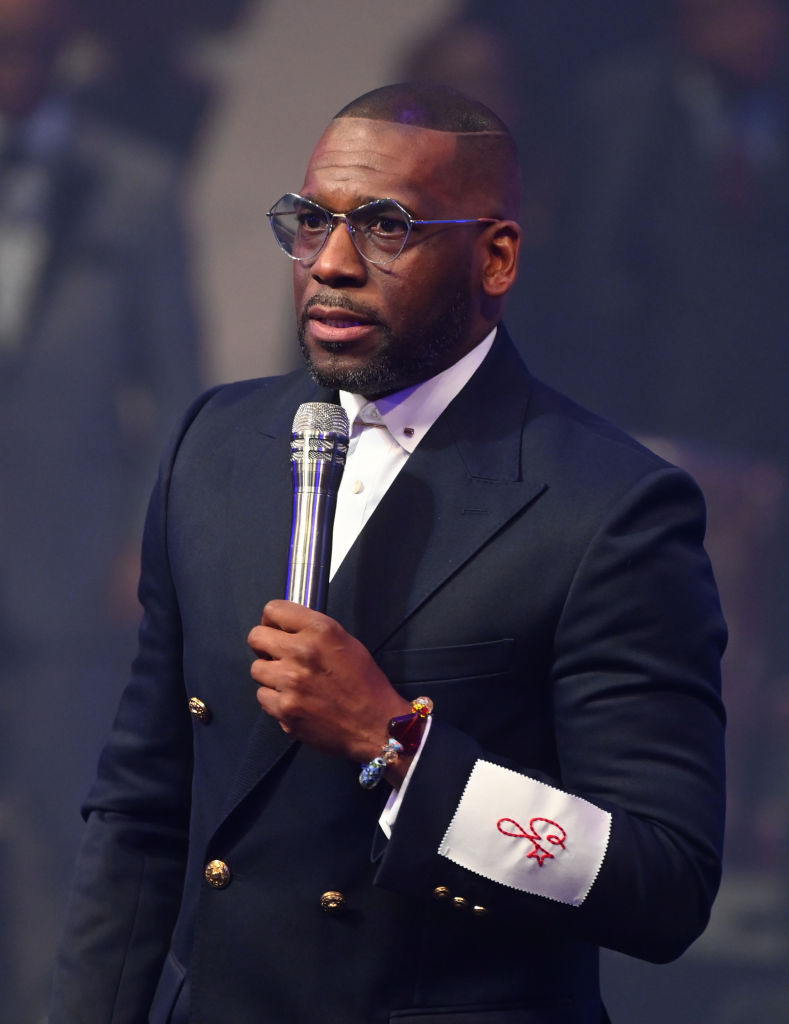
Pastor Jamal Bryant recently addressed confusion surrounding the “Target Fast” and the larger boycott connected to it. His comments sparked debate across social media and among community leaders.
The Atlanta pastor had earlier announced that his year long Target Fast was ending. Many people believed that meant the entire boycott against the retailer was over. Bryant later apologized and explained that was never his intention.
He said he misread the moment and accepted responsibility for the misunderstanding.
What the Target Fast Was About
Bryant launched the Target Fast in 2025 through his church network. The faith based campaign encouraged people to stop shopping at Target for a period of time. The effort aimed to push the company to strengthen commitments to diversity and support for Black communities.
The fast began as a 40 day effort during the Lenten season. Over time, thousands of people joined the economic protest and supported Black owned businesses instead.
Bryant later said the fast was only one strategy within a larger movement.
His Public Apology
During a recent episode of his podcast, Bryant acknowledged that his earlier message created confusion. He admitted he did not fully read the mood of the community.
“This week I failed,” he said while discussing the situation publicly.
Bryant emphasized that he never encouraged people to return to shopping at Target. Instead, he meant that his specific church led fast had reached its conclusion.
He also denied claims that he received money to end the fast.
Black Women at the Center of the Movement
One point Bryant made very clear during his apology involved leadership. He reminded listeners that Black women helped spark the original boycott movement.
He credited leaders such as attorney Nekima Levy Armstrong, former Ohio state representative Nina Turner, and activist Tamika Mallory for pushing the effort forward.
Bryant said his role was to support the work already started, not take ownership of the movement.
His comments reflected a broader truth many organizers have emphasized. Black women often drive the early momentum behind social justice campaigns.
Some Leaders Say the Boycott Continues
Even with Bryant’s clarification, not everyone agrees on what happens next. Several activists say the boycott is still active.
Some leaders argue that Target has not yet met key demands related to diversity commitments and community investments.
Former lawmaker Nina Turner even told supporters she will continue avoiding the retailer.
The mixed messages have left many supporters asking the same question. Is the boycott really over or simply evolving?
A Larger Conversation About Economic Power
Beyond the headlines, the situation highlights a bigger conversation about economic activism. Many community leaders continue to stress the importance of collective spending power.
Boycotts have long played a role in pushing corporations to listen to Black consumers. For many supporters, that strategy remains just as important today.
Bryant closed his remarks by saying the work is far from finished. The fast may have ended, but the larger fight for economic fairness continues.
Pastor Jamal Bryant Clarifies Target Fast Confusion was originally published on majicatl.com