Here Are All The Major US Food Recalls This Year
Here Are All The Major US Food Recalls This Year Under RFK Jr. - Page 2
- Some recalls stem from regulatory issues, not confirmed contamination, so consumers must review recall details

There has been no shortage of food recalls in 2026, and several high-profile cases have been elevated to the FDA’s most serious warning category in recent months. With new alerts coming from both the U.S. Food and Drug Administration (FDA) and the U.S. Department of Agriculture (USDA), keeping track of what has been recalled and what consumers should actually be worried about can feel overwhelming.
As of Aug. 19, here’s a clearer look at the major food safety alerts and recalls consumers should know about right now.
Food Recalls in 2026
Outshine Fruit Bars Glass Contamination Recall: Active.
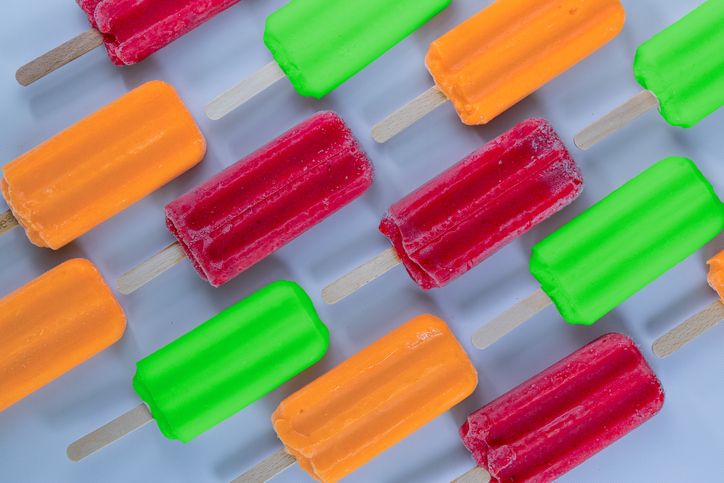
On Aug. 18, Dreyer’s Grand Ice Cream, Inc. announced a nationwide voluntary recall involving select Outshine Fruit Bars after consumers reported finding possible glass contamination. The recall includes Strawberry, Watermelon, Grape, Tangerine and Black Cherry 6-count 2.5-ounce fruit bars, along with a 24-count variety pack. No injuries or illnesses have been reported.
Consumers should check their freezers and compare their products with the specific information in the FDA recall notice before eating them.
Marketside Tomato Bisque Soup Kits Listeria Recall: Active.
Kettle Cuisine LLC recalled Marketside Tomato Bisque Soup Kits sold exclusively at select Walmart stores after routine testing produced a presumptive positive result for Listeria monocytogenes, according to the FDA. The 14-ounce kits have a use-by date of Aug. 22, 2026, and 3,240 packs are included in the recall. The products were distributed to select Walmart stores in numerous states, including New York, New Jersey, Texas, Pennsylvania, California and others. So far, there have been no confirmed illnesses connected to the product.
Cage-Free Eggs Salmonella Recall: Escalated And Active.
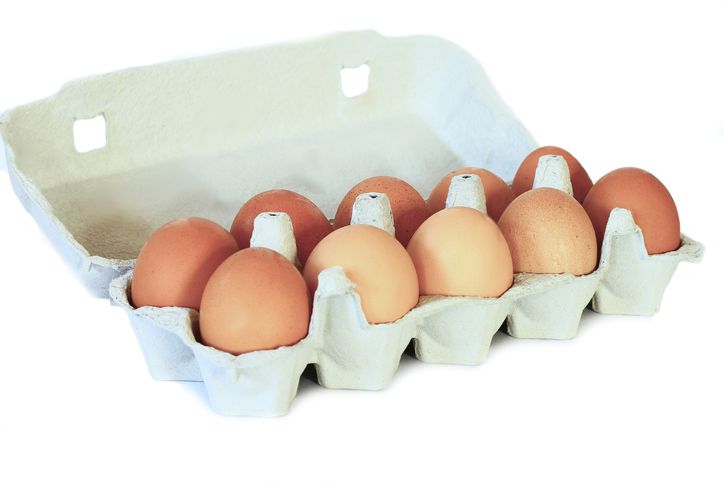
The FDA and CDC are investigating a multistate Salmonella outbreak linked in part to shell eggs recalled by Midwest Poultry Services. The recall covers white shell eggs and brown cage-free eggs sold under brands including Country Morning, Cal-Maine Sunups, Brookshire’s, Simple Truth and Kroger, with sell-by or best-by dates from July 20 through Aug. 17, 2026. The outbreak has been linked to 98 illnesses in 17 states and 26 hospitalizations, with no deaths reported. Consumers who still have recalled eggs should throw them away or return them for a refund and clean any surfaces the eggs may have touched.
Notably, this recall was upgraded to Class 1 identification. When the FDA or USDA uses the term Class I Recall, it does not mean the food is high quality—quite the opposite. A Class I recall is the most serious category and is used when there is a reasonable probability that consuming the recalled product could cause serious health problems or death.
Publix GreenWise Frozen Berries E. coli Recall: Active.
The FDA’s investigation into an E. coli outbreak linked to frozen blueberries remains ongoing. Publix expanded its recall on July 29 to include all lots of GreenWise Organic Whole Blueberries and Whole Mixed Berries in 10-ounce and 48-ounce packages. The recalled berries were distributed to Publix stores in Alabama, Florida, Georgia, Kentucky, North Carolina, South Carolina, Tennessee and Virginia. As of July 30, there have been a total of 12 illnesses reported from the outbreak and four hospitalizations.
Because frozen fruit can sit in a freezer for months, consumers are being urged to check their freezers rather than assuming the recalled products are long gone.
Jalapeño Peppers Salmonella Recall: Active.
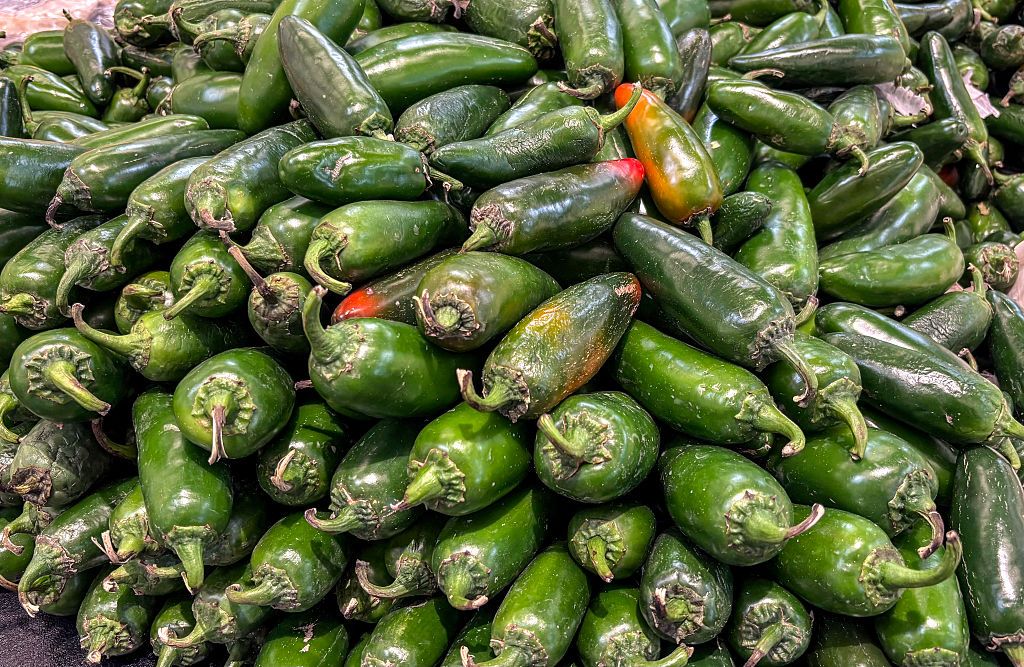
Another major investigation involves fresh jalapeños from Sinaloa, Mexico, distributed by Coast Citrus Distributors. The FDA and CDC are investigating a multistate outbreak of Salmonella Javiana linked to the peppers. As of the latest update issued Aug. 5, 345 illnesses had been reported across 27 states, including 36 hospitalizations and no deaths. The recalled peppers were distributed to wholesalers, restaurants and food-service companies nationwide. NatureBest recalled products sold in Texas and Louisiana, while Whole Foods Market recalled select salsas, guacamole, pico de gallo and prepared foods across multiple states.
Taylor Fresh Foods also recalled products containing the jalapeños, with affected items distributed nationwide through retailers including Hannaford, Kroger, Stop & Shop, Target, Trader Joe’s, Walmart and Whole Foods. Consumers should check products with “Best By” or “Best If Used By” dates through Aug. 16, 2026. Consumers who froze potentially recalled jalapeños or cannot determine where their peppers came from are being advised to discard them.
Iceberg Lettuce Cyclospora Investigation: Active.
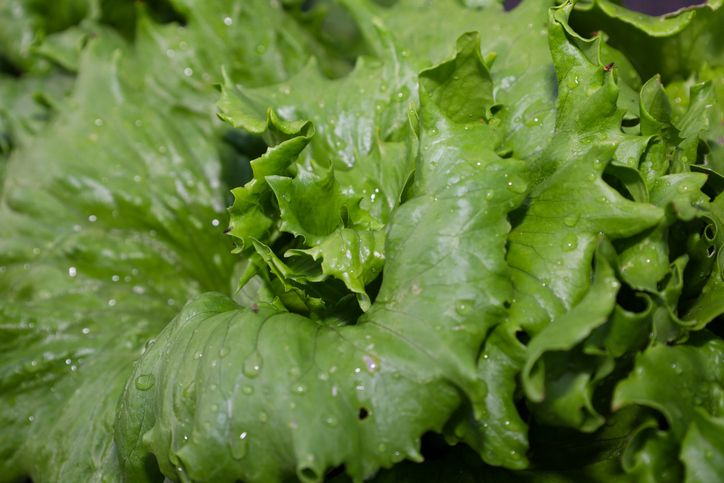
Iceberg lettuce is also at the center of an ongoing Cyclospora investigation. On July 17, Taylor Farms de Mexico announced that it was voluntarily removing iceberg lettuce sourced from central Mexico from the U.S. market because of potential contamination. The recall included Marketside products sold at select Walmart locations, including “Iceberg Salad 12-oz or 24-oz” and “Shredded Lettuce 8-oz or 16-oz,” with Best if Used By dates ranging from July 18 through Aug. 3, 2026.
The broader Cyclospora outbreak investigation remains active. As of the latest FDA update, 9,481 illnesses, 398 hospitalizations and two deaths had been reported. The agency notes that the recalled lettuce’s best-by dates have passed and the product should no longer be available in stores or restaurants, but consumers should continue to avoid products included in the recall.
Infant Botulism: Powdered Infant Formula Recall: Active.

Nara Organics’ Whole Milk Organic Powdered Infant Formula (all lots and sizes) is currently under investigation. In a July 6 update, the FDA and CDC launched an investigation after infants in California, Pennsylvania and Washington developed infant botulism after consuming the formula, with illness onset between April and May 2026. FDA testing and state investigations prompted Nara Organics to recall all of its Whole Milk Organic Powdered Infant Formula nationwide.
The FDA says the investigation involves four confirmed cases of infant botulism. Officials reported toxin type A infections among infants who had consumed Nara Organics formula, and testing of leftover products was underway. Consumers should not use the recalled formula.
Infant botulism can initially cause symptoms such as constipation, poor feeding, loss of head control and difficulty swallowing, which can progress to breathing problems. Because symptoms can take weeks to appear, parents and caregivers should take the recall seriously and contact a healthcare provider if they have concerns.
The FDA’s investigation remains ongoing, and the agency continues to update its guidance as more information becomes available.
Listeria Monocytogenes Recall From Soft Cheese: Active.
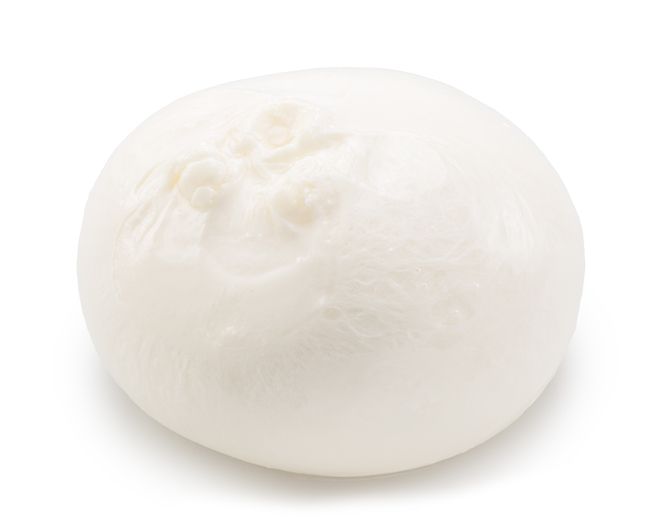
Clover Hill Dairy, Nelson & Isa Lacteos and La Ceiba Foods Latin Market are among the businesses involved in the soft-cheese investigation that is currently ongoing. The outbreak centers on Listeria monocytogenes and requesón, a traditional Hispanic soft cheese similar to ricotta.
The FDA and state investigators found Listeria in cheese samples and facility environments associated with the investigation. Recalled products were distributed through retail stores, farmers’ markets, restaurants and other locations in several states, including New York, New Jersey, Maryland, Virginia, and Washington, D.C.
As of June 15, 2026, six requesón cheese samples and one environmental sample collected by the Maryland Department of Health tested positive for Listeria monocytogenes and matched the outbreak strain. On June 24, a second environmental sample collected from Clover Hill Dairy, LLC, by Maryland state partners also tested positive for Listeria monocytogenes and matched the outbreak strain. So far, the outbreak has been linked to 12 illnesses and 10 reported hospitalizations.
Listeriosis can be especially dangerous for older adults, people with weakened immune systems and pregnant women. Symptoms can include fever, muscle aches, nausea, fatigue, vomiting and diarrhea, while more serious infections can cause headache, stiff neck, confusion, loss of balance and seizures.
Consumers who may have purchased recalled cheese should review the specific recall information and avoid eating products included in the investigation.
Ready-To-Eat Pastrami And Corned Beef Products Listeria Recall: Active.
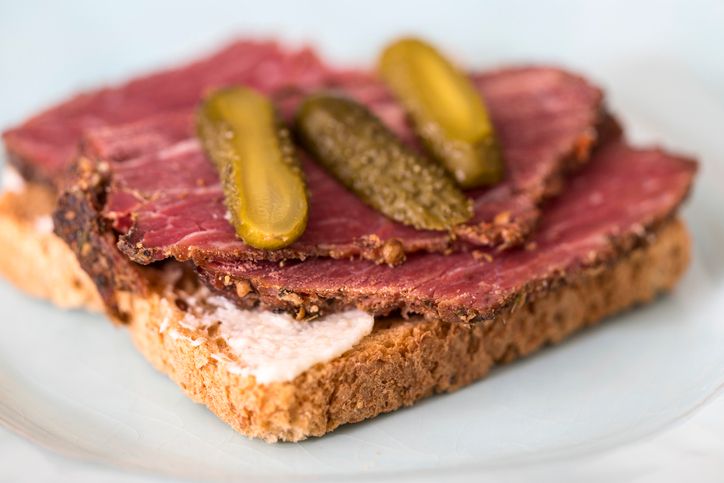
There are also USDA-regulated meat recalls consumers should have on their radar. On Aug. 8, City Foods, Inc., a Chicago establishment, recalled approximately 3,215 pounds of ready-to-eat pastrami and corned beef products because they may be contaminated with Listeria monocytogenes. It was categorized as a High Class 1 alert by the USDA.
The products were produced July 16, 2026, and include Midamar halal sliced pastrami, Bea’s Best cooked corned beef brisket and Kirsch delicatessen-style cooked corned beef brisket. The products were shipped to food-service locations in Illinois, Iowa and Michigan and then further distributed nationwide. No confirmed illnesses had been reported in connection with the recall.
Anyone who may have purchased the recalled meat should check the product information rather than relying on appearance or smell. Listeria can cause serious illness, particularly among older adults, pregnant women, newborns and people with weakened immune systems.
Raw Beef Products Imported From Argentina Inspection Recall: Active.
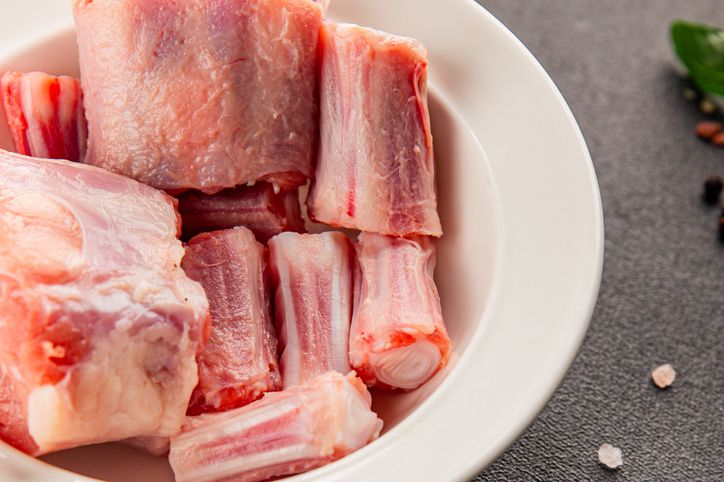
Another USDA recall consumers should be aware of involves nearly 30,000 pounds of raw beef imported from Argentina. On Aug. 7, 2026, Corte Argentino USA LLC, based in Aventura, Florida, recalled approximately 29,628 pounds of raw beef products after the USDA’s Food Safety and Inspection Service (FSIS) determined that the products entered the United States without receiving the required import reinspection.
The recalled beef was produced between May 15 and May 20, 2026, and carries use-or-freeze-by dates ranging from Sept. 15 through Sept. 20, 2026. The products include several cuts of boneless beef sold under the Frigorífico Gorina SAIC name, including “Top Sirloin Butt” (“Cuadril Sin Tapa”), “Eye Round” (“Peceto”), “Topside Cap Off” (“Nalga AD S/Tapa”), “Flat” (“Carnaza Cuadrada”) and “Knuckle” (“Bola de Lomo”).
Consumers can identify the recalled products by the Argentinian establishment number “EST. N° OF. 2025” and shipping mark “26644-AA.” The beef was distributed to retailers and distributors in Florida and Texas.
The issue was discovered during routine FSIS inspection activities. Importantly, there have been no confirmed reports of illness or injury associated with these products.
This is an important distinction as shoppers navigate the growing list of food recalls: not every recall means a product has been confirmed to contain dangerous bacteria or has caused illnesses. Some recalls, like this one, are issued because a product did not meet required inspection or regulatory standards.
Consumers should always check the specific product, dates and identifying codes listed in the recall notice before deciding what to throw away and stay informed on the USDA and FDA for frequent updates on each recall.
SEE MORE:
Taylor Fresh Foods Recalls Jalapeño Products Due To Salmonella Concerns
Here Are All The Major US Food Recalls This Year Under RFK Jr. - Page 2 was originally published on newsone.com